Wellness Origin Hub
Nutrition
24 stories filed under Nutrition.
-
Hydrating foods, the fruit and vegetables that count as water
About a fifth of the water we take in comes from food. The most hydrating fruit and vegetables, how much water they hold, and easy ways to eat more of them.
-
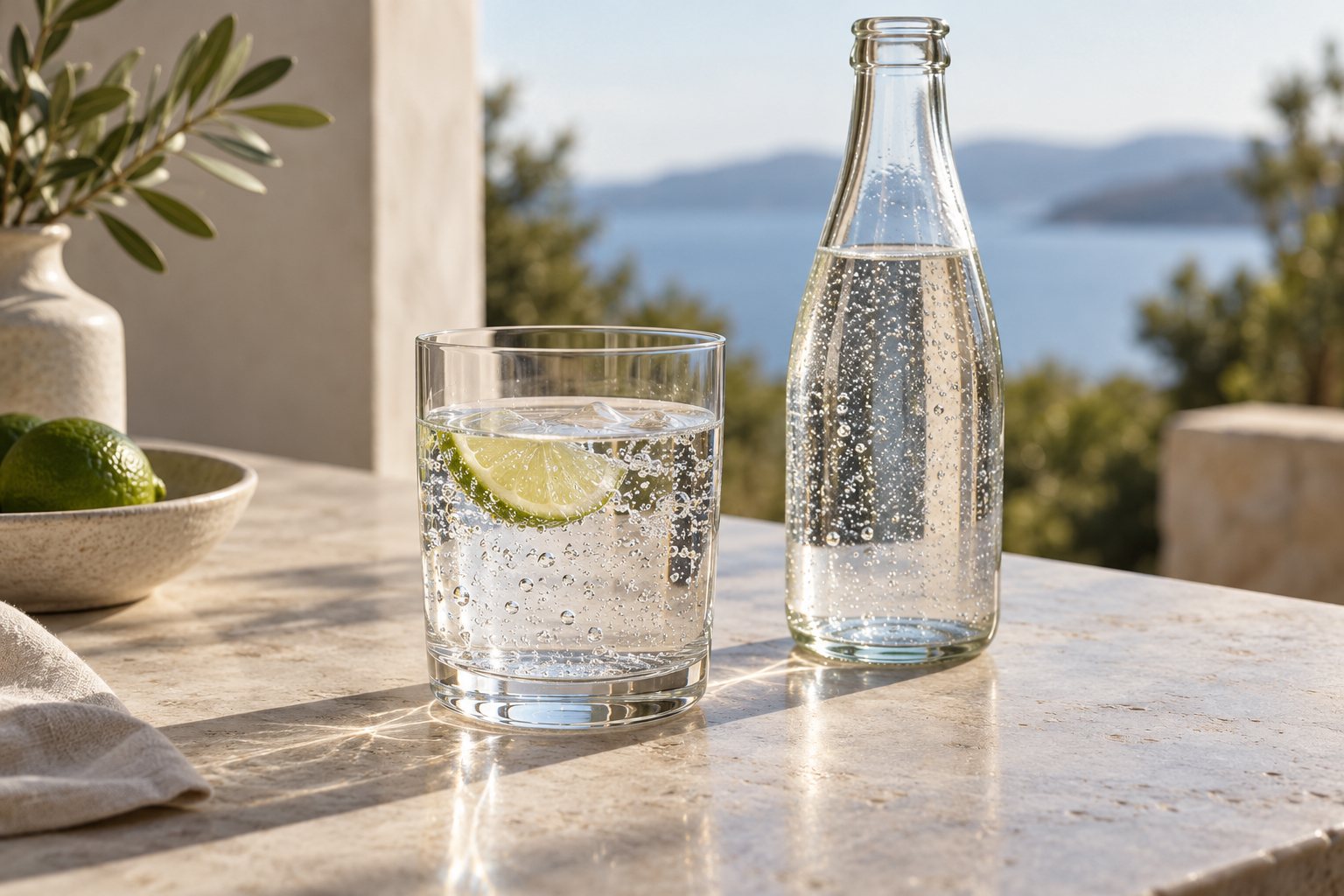
Is sparkling water good for you? Teeth, bones and bloating
Plain sparkling water hydrates as well as still water. What the evidence says about teeth, bones, bloating and the flavoured cans in between.
-
The Loaded Tea Shop: sugar-free loaded tea packets, flavours and how to mix them
A full guide to The Loaded Tea Shop: what is in its sugar-free loaded tea packets, the caffeine per serving, 40+ flavours, prices and how to mix one at home.
-
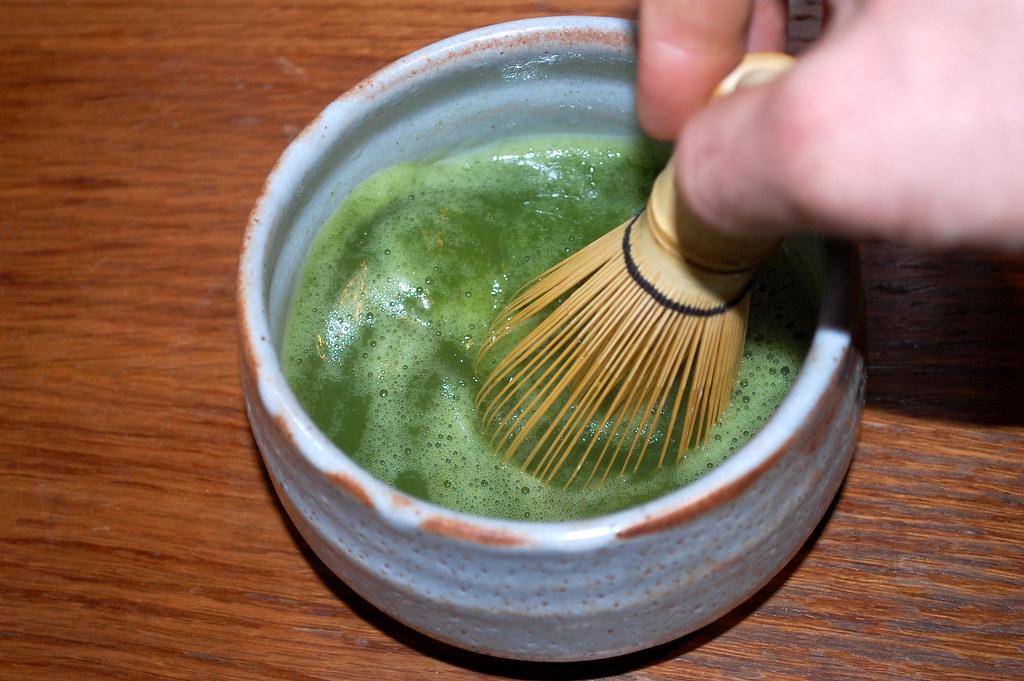
Matcha or coffee? What the caffeine actually does
Both wake you up. Why matcha feels calmer, how much caffeine is really in each cup, and which suits your day.
-
How decaf coffee is made and how much caffeine is left
How decaf coffee is made, from the Swiss Water process to CO2 and solvent methods, how much caffeine is left in a cup of decaf, and whether it is safe to drink.
-
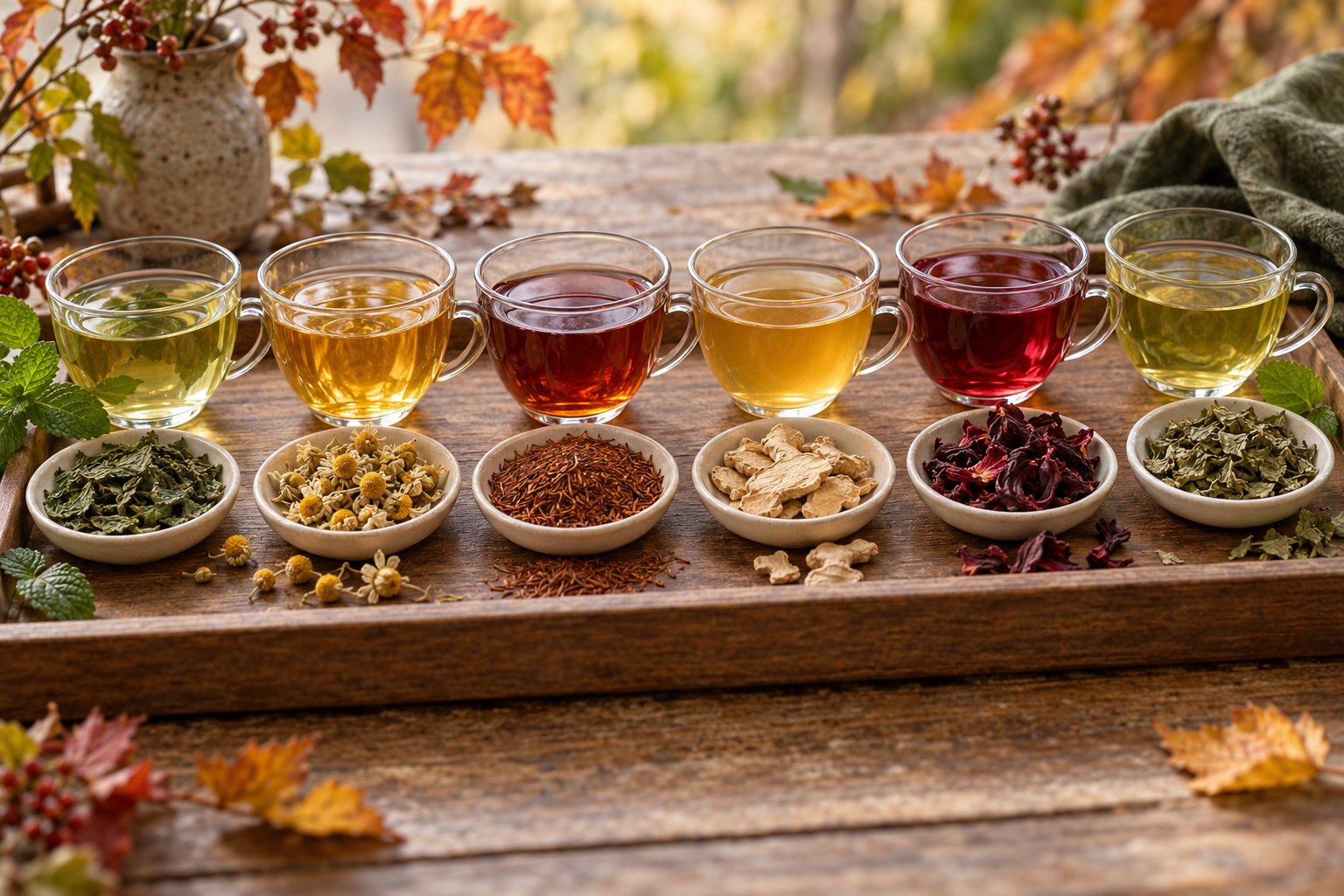
Herbal teas guide: peppermint, chamomile, rooibos and more
A herbal teas guide to peppermint, chamomile, rooibos, ginger, hibiscus and lemongrass: what each one tastes like, how to brew it, and who should take care with certain herbs.
-
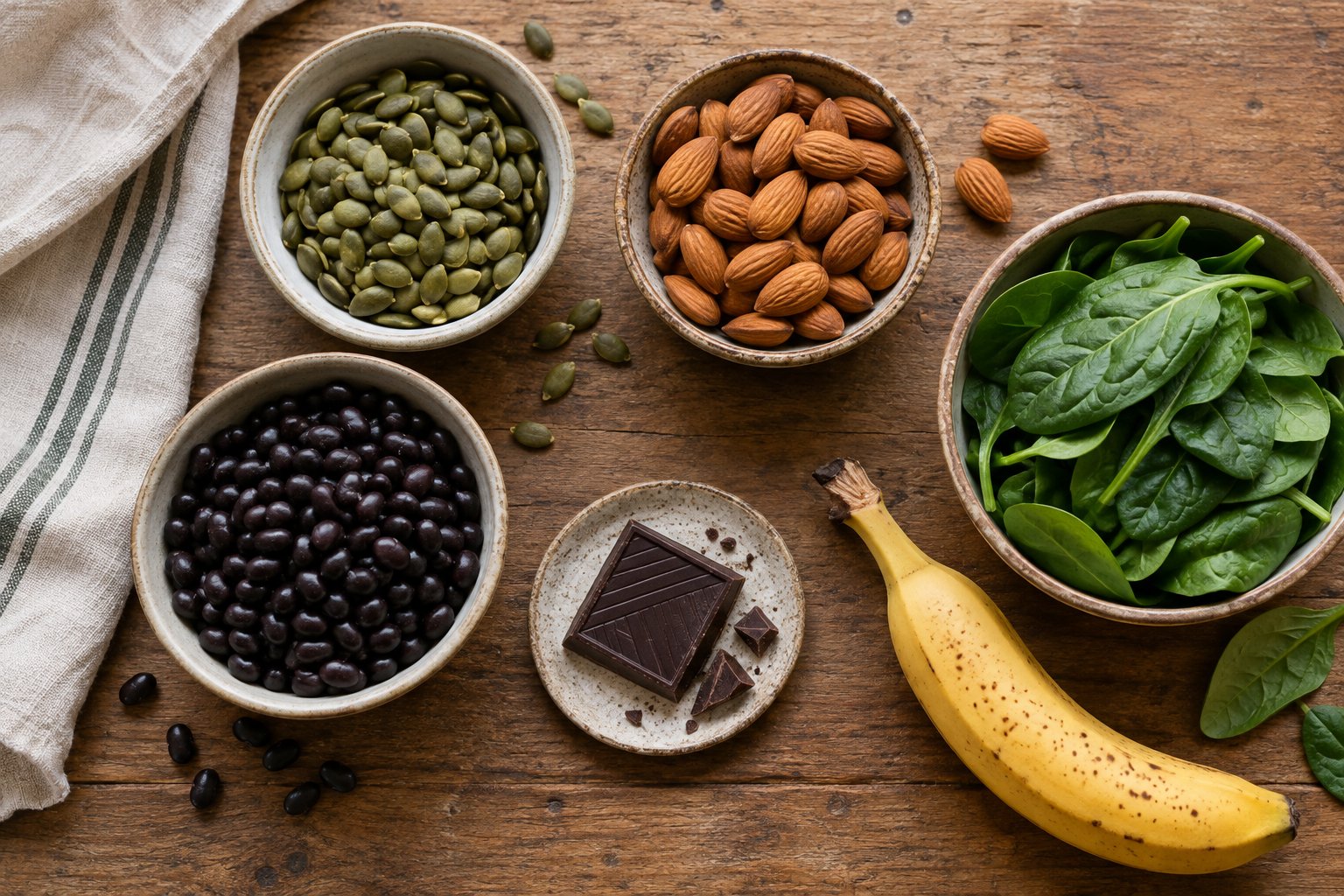
Magnesium: what it does, how much you need and the best foods
A plain guide to magnesium foods: what magnesium does in the body, how much adults need according to the NHS, EFSA and NIH, and which everyday foods contain the most.
-
How much caffeine is too much? Limits, timing and sources
How much caffeine is too much a day: the 400 mg limit set by EFSA and the FDA, 200 mg in pregnancy, how much caffeine is in coffee, tea, cola and chocolate, and when to stop for better sleep.
-
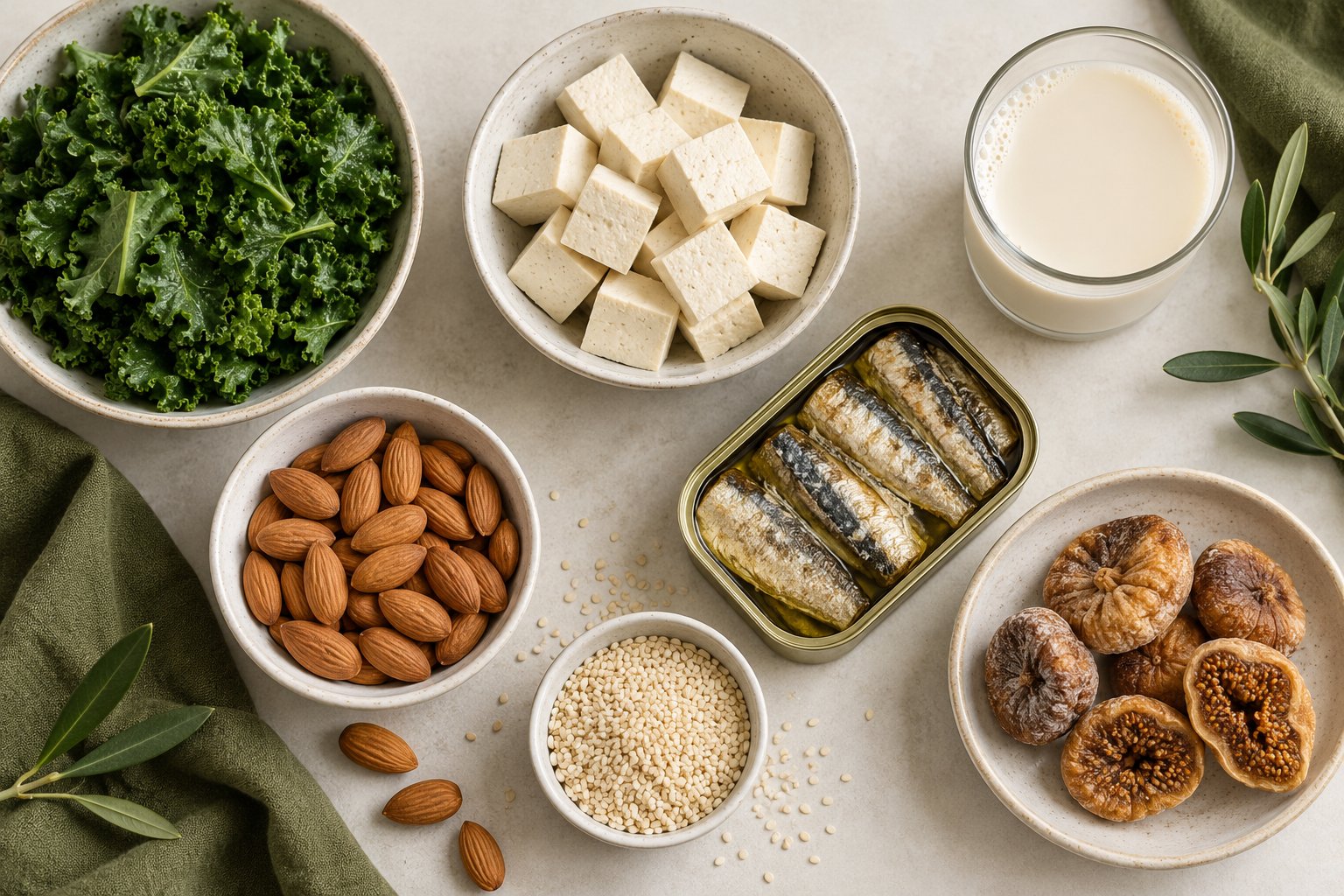
Calcium without dairy: the best non-dairy calcium foods
How to get calcium without dairy: the best non-dairy calcium foods, from calcium-set tofu and fortified plant milks to greens and tinned fish, and how much calcium adults need according to the NHS and NIH.
-
How much sugar is in common drinks, and simple swaps
How much sugar is in drinks like cola, fruit juice, flavoured coffee and bubble tea, how it compares with the NHS daily limit, and simple swaps that still taste good.
-
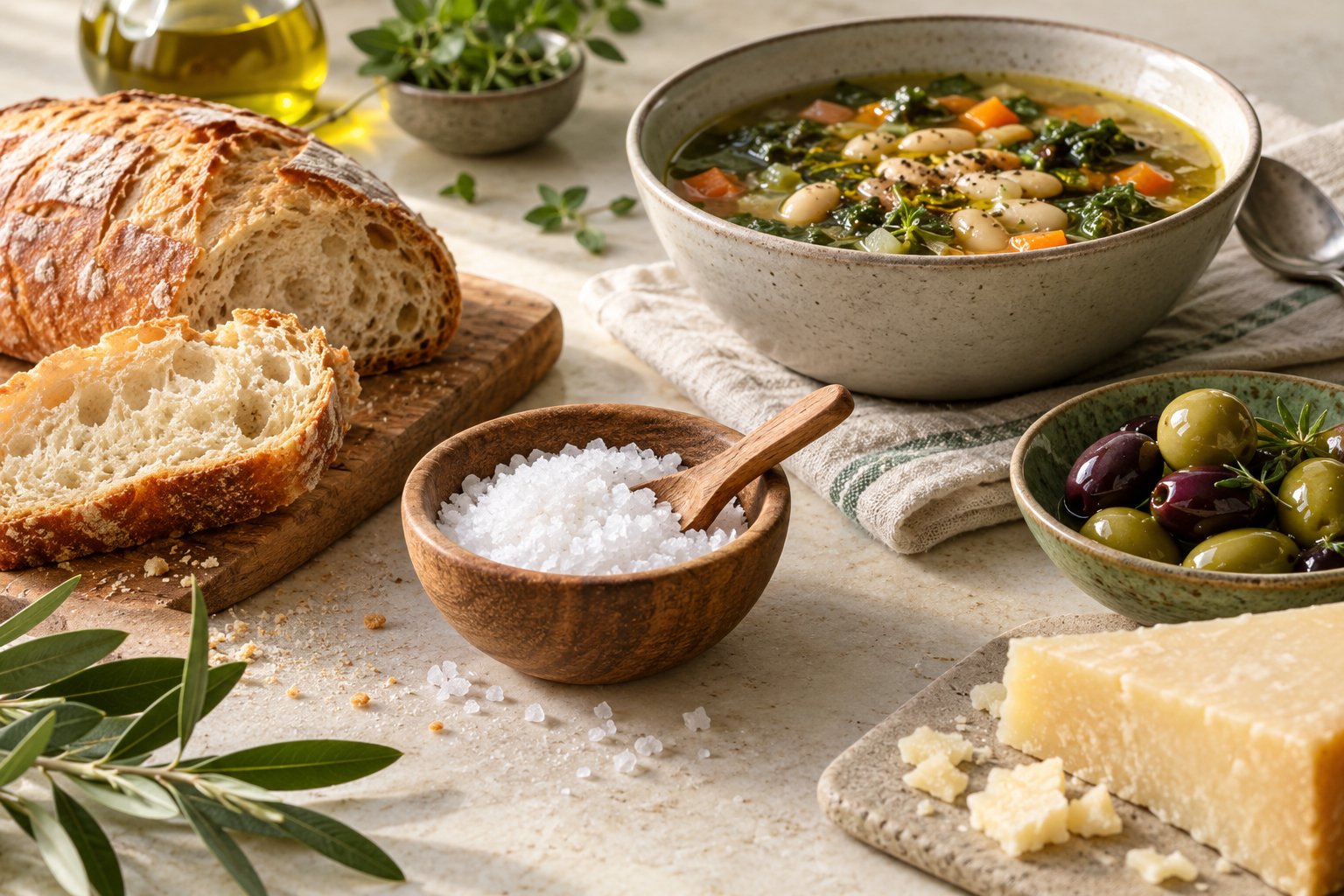
Salt and sodium: how much is too much and where it hides
Salt and sodium explained: how much salt is too much a day according to the NHS and WHO, how to convert sodium to salt on a label, and the everyday foods where most of it hides.
-
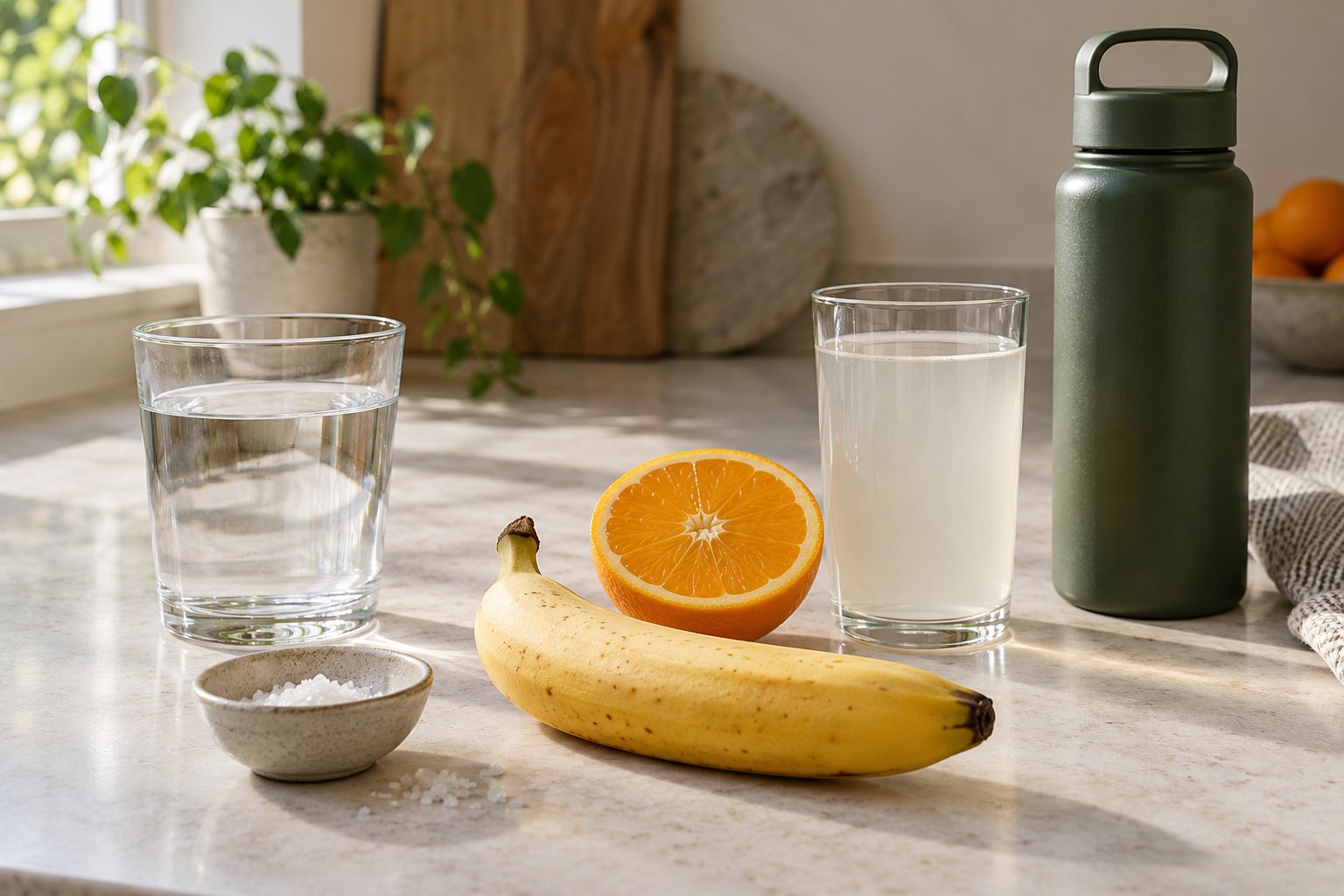
Electrolytes explained: when water is enough and when it is not
Electrolytes explained in plain English: what sodium and potassium do, how much you need, and when a sports drink or rehydration solution helps rather than plain water.
-
How much water do you really need a day?
How much water you need a day depends on your size, activity and the weather. Here is what the NHS and EFSA actually recommend, where the 8-glasses rule came from and how to tell if you are drinking enough.
-
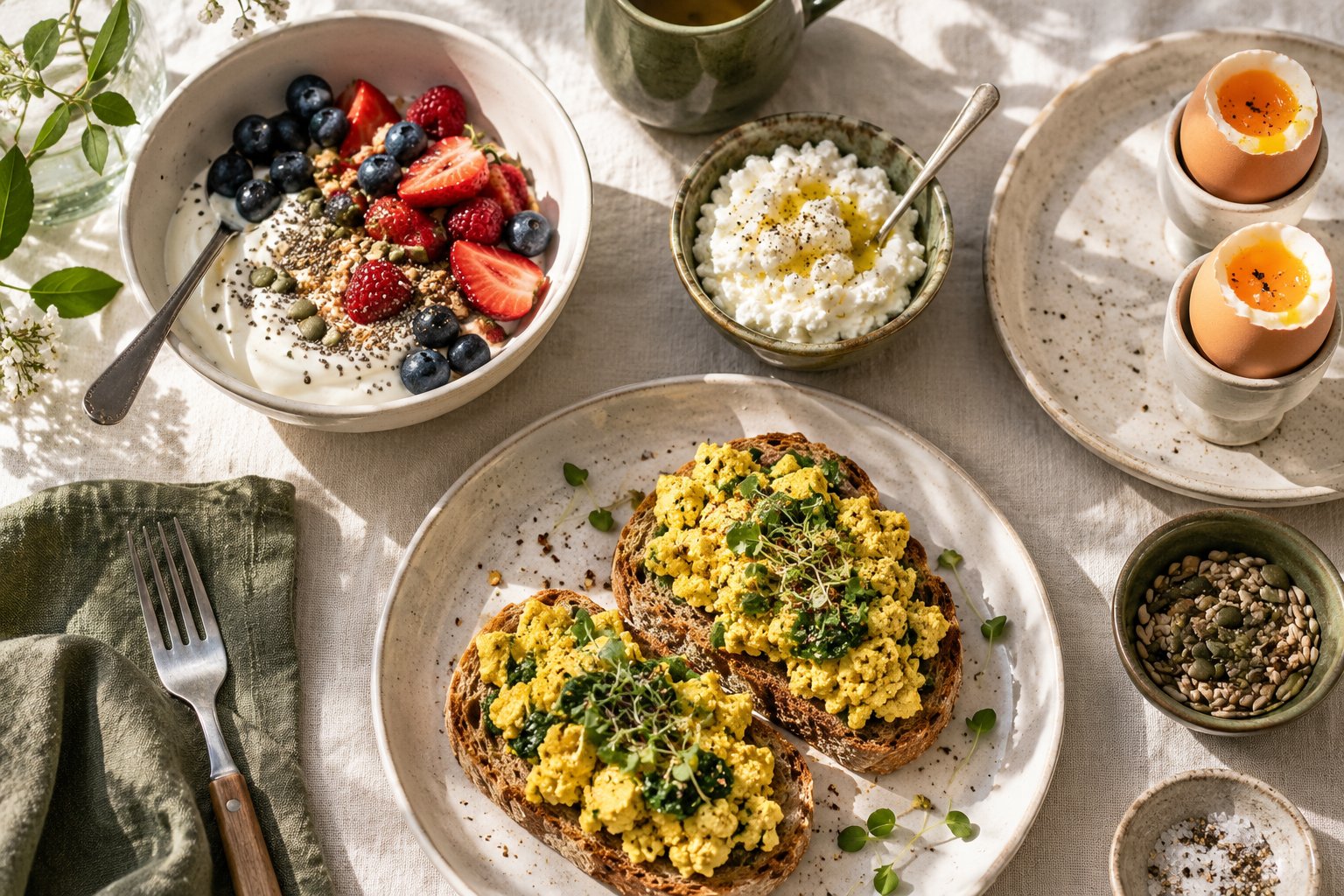
High-protein breakfast ideas that are not just eggs
Ten high-protein breakfast ideas beyond eggs, from Greek yoghurt bowls to tofu scramble and savoury oats, plus how much protein you actually need in a day.
-
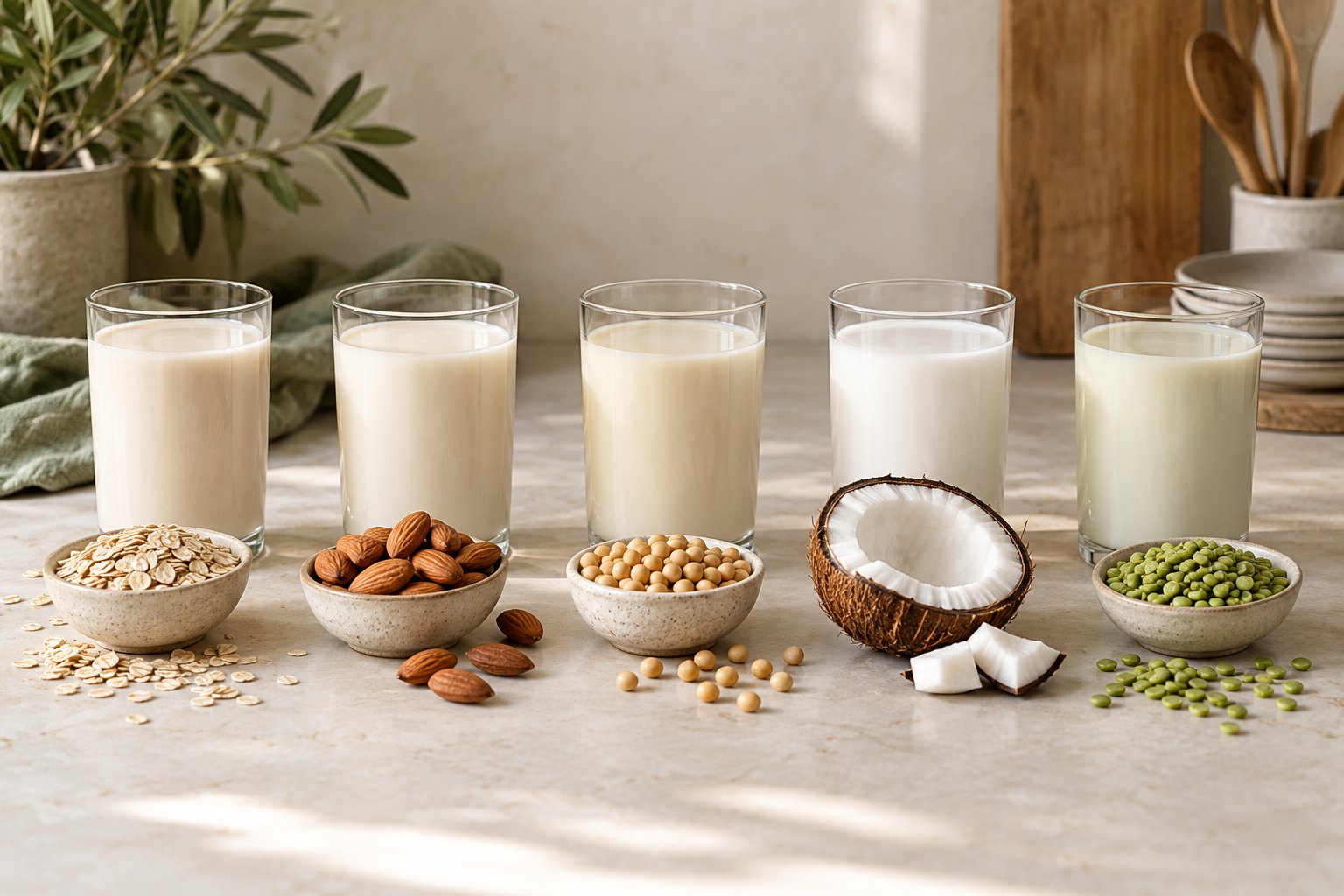
Oat, almond, soy, coconut and pea milk compared
Plant milks compared on protein, calcium, taste and best uses. Soy and pea milk come closest to dairy for protein, oat milk is the best for coffee, and fortification matters more than the base.
-
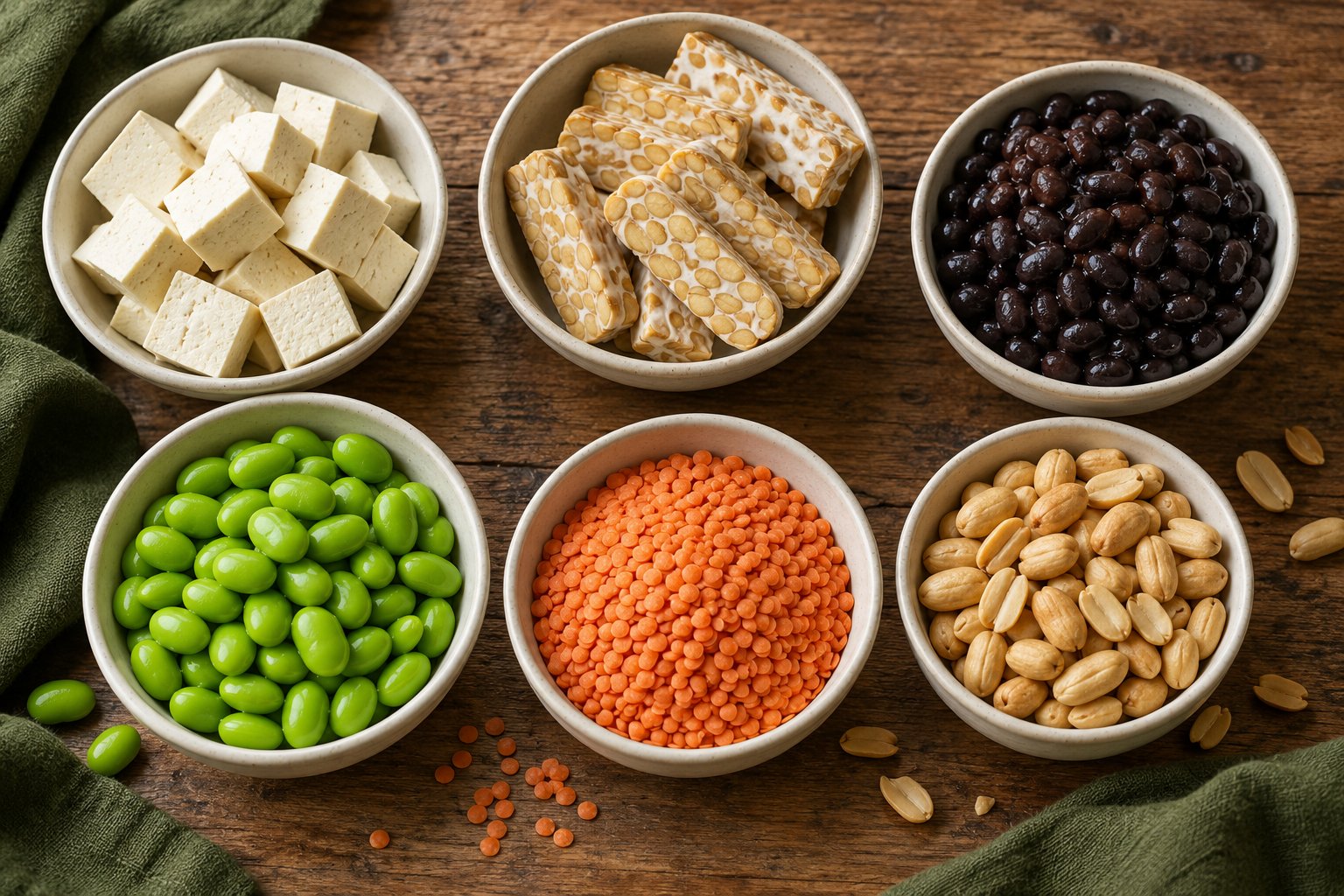
Plant protein sources: beans, lentils, tofu, tempeh and seitan
A practical guide to plant protein sources, from beans, lentils and tofu to tempeh and seitan, how much protein each contains, how much you need, and why you do not have to combine them at every meal.
-
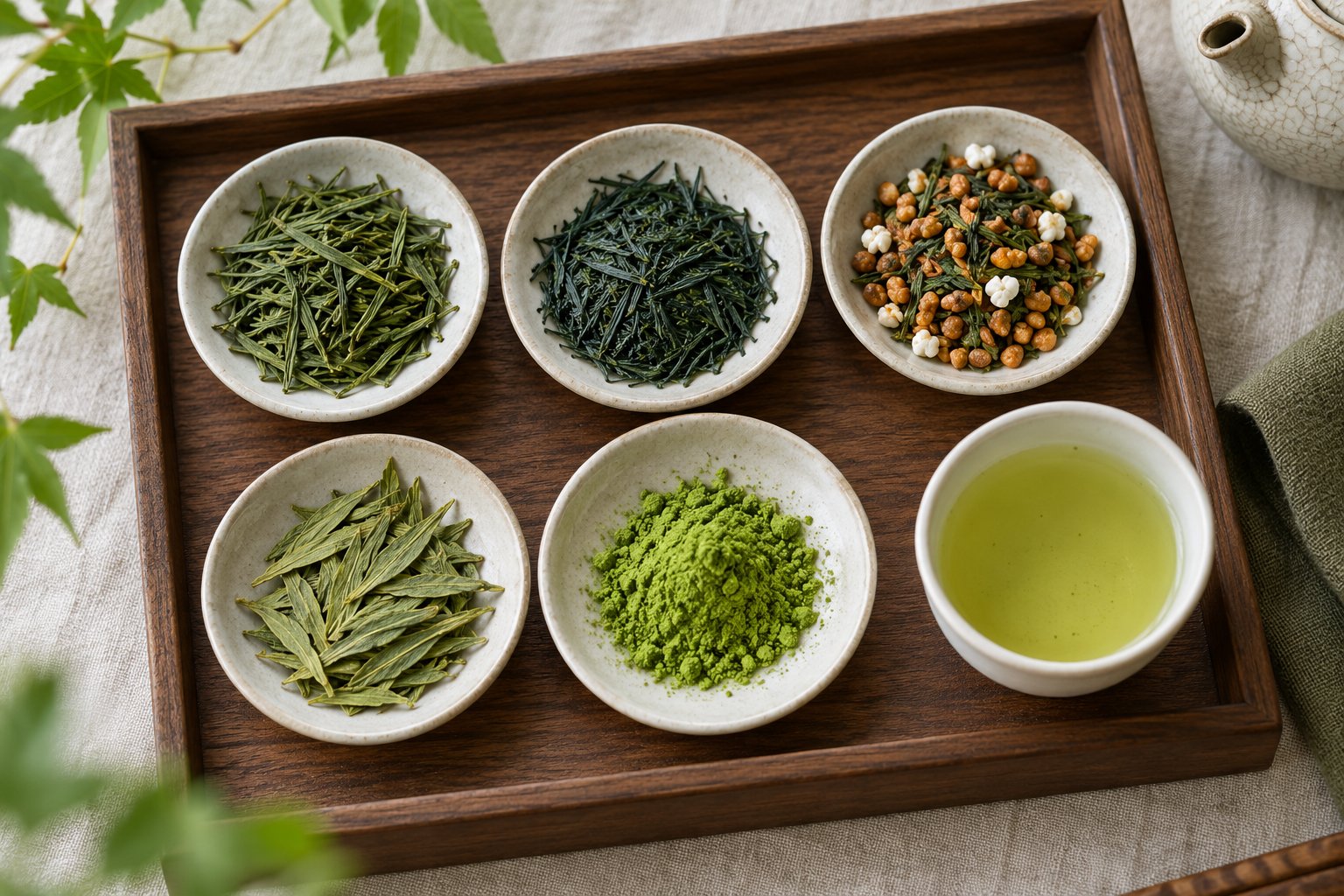
Green tea types: sencha, gyokuro, matcha, genmaicha and longjing
A guide to green tea types, from grassy sencha and sweet gyokuro to toasty genmaicha and nutty longjing, with how each one tastes, how much caffeine to expect and how to brew it.
-
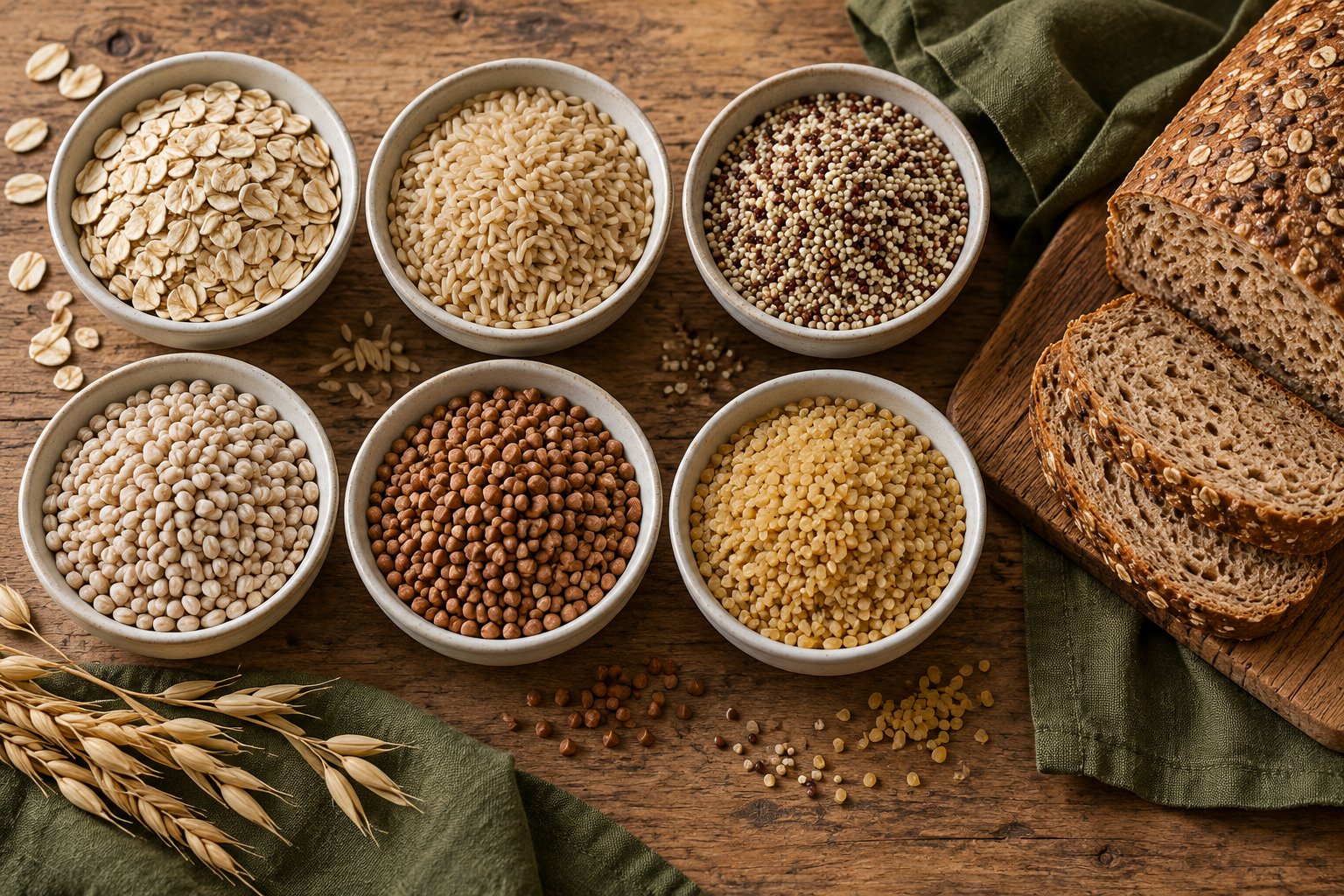
Whole grains explained: what counts and how to spot them
Whole grains explained in plain English: what makes a grain whole, which foods count, how to spot real wholegrain products on the label, and easy swaps for everyday meals.
-
How to read a nutrition label in two minutes
How to read a nutrition label quickly: check the serving size, compare per 100 g, then look at sugar, salt, saturated fat and fibre, with the NHS traffic light thresholds and the FDA's 5/20 rule.
-
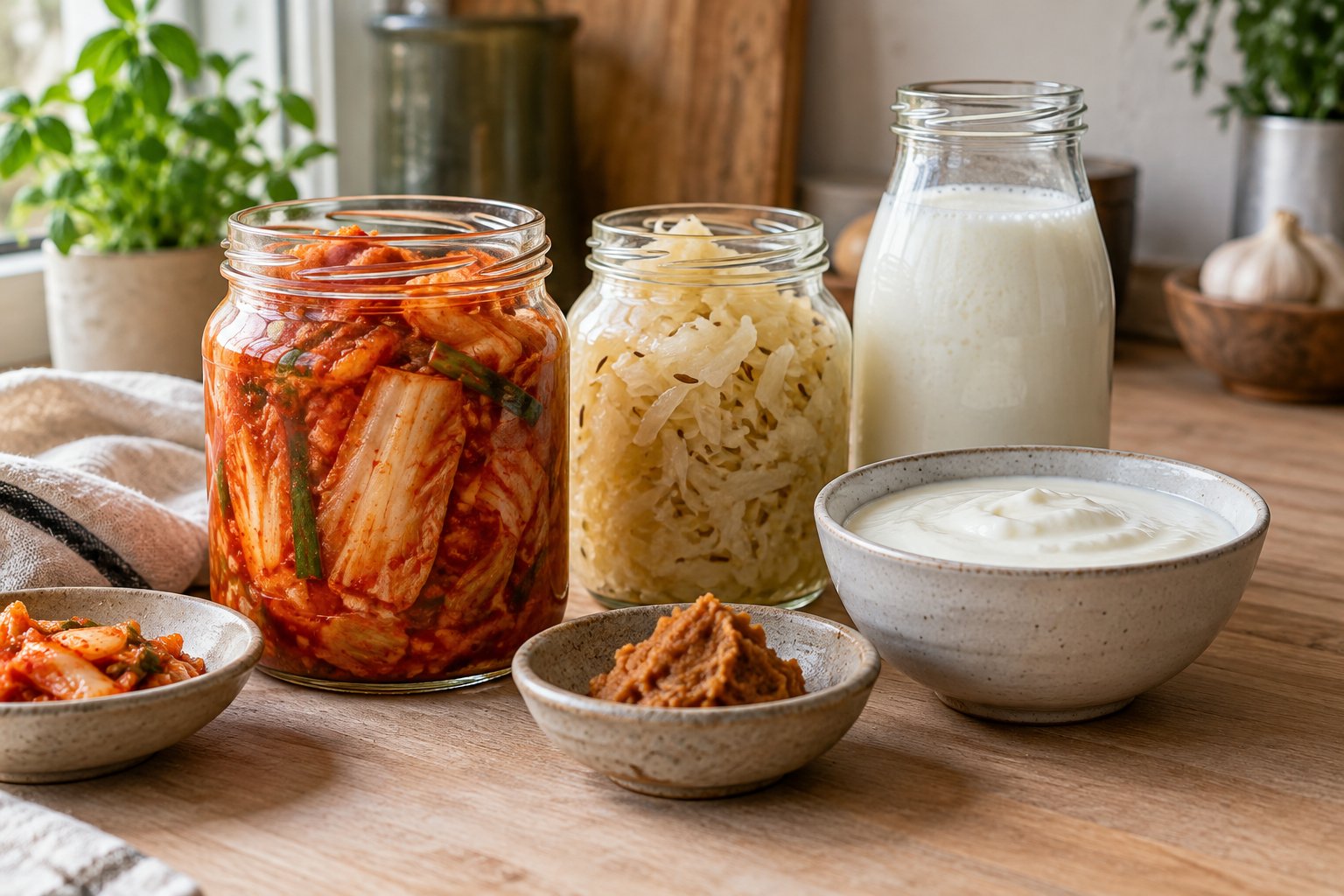
Fermented foods: what they are and how to add them to meals
A practical guide to fermented foods such as yoghurt, kefir, kimchi, sauerkraut and miso: what fermentation does, which jars still contain live cultures and easy ways to eat them.
-
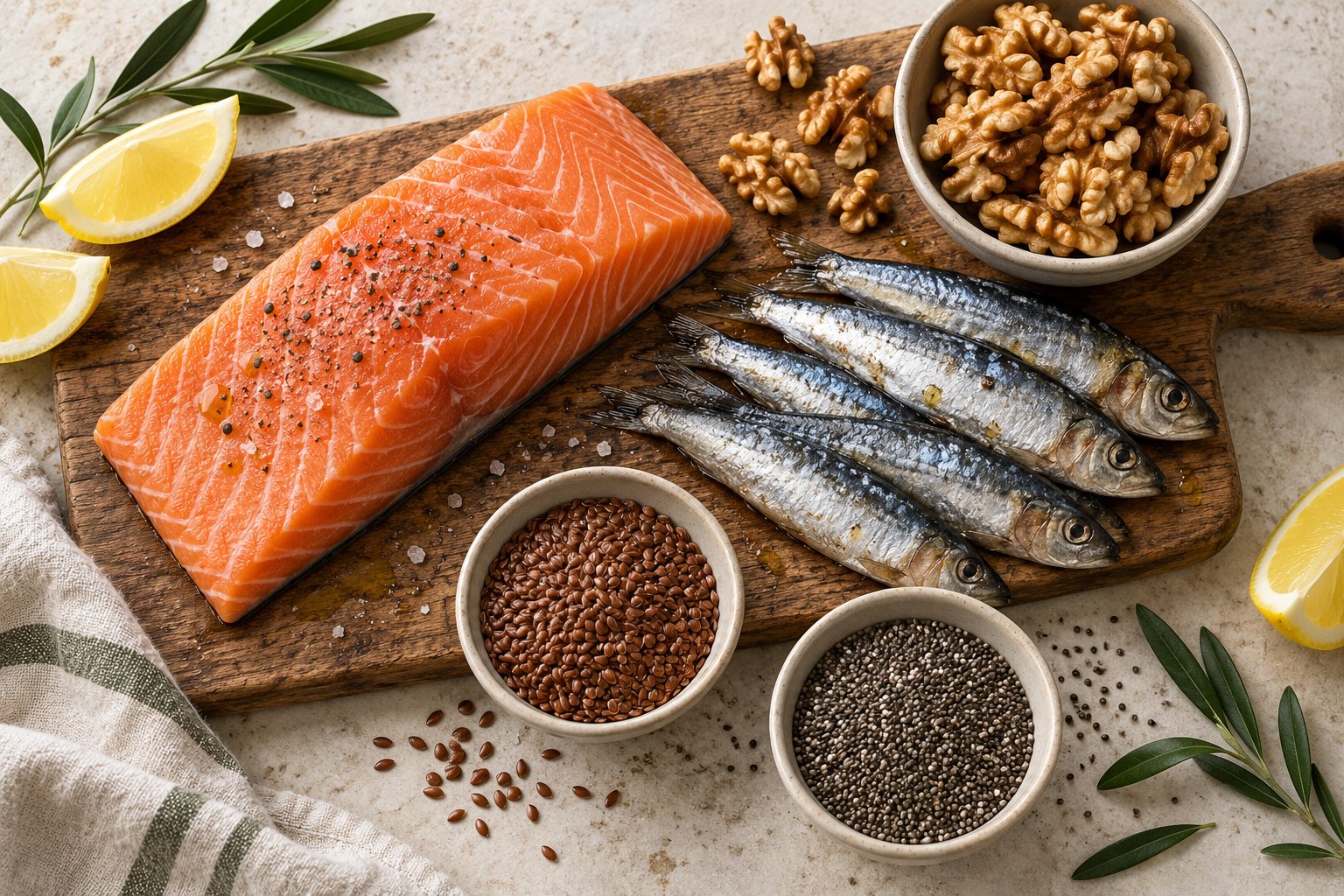
Omega-3 foods: oily fish, walnuts, flax and chia compared
A plain guide to omega-3 foods, from salmon and sardines to walnuts, flaxseed and chia, how much omega-3 you need according to the NHS and EFSA, and options if you do not eat fish.
-
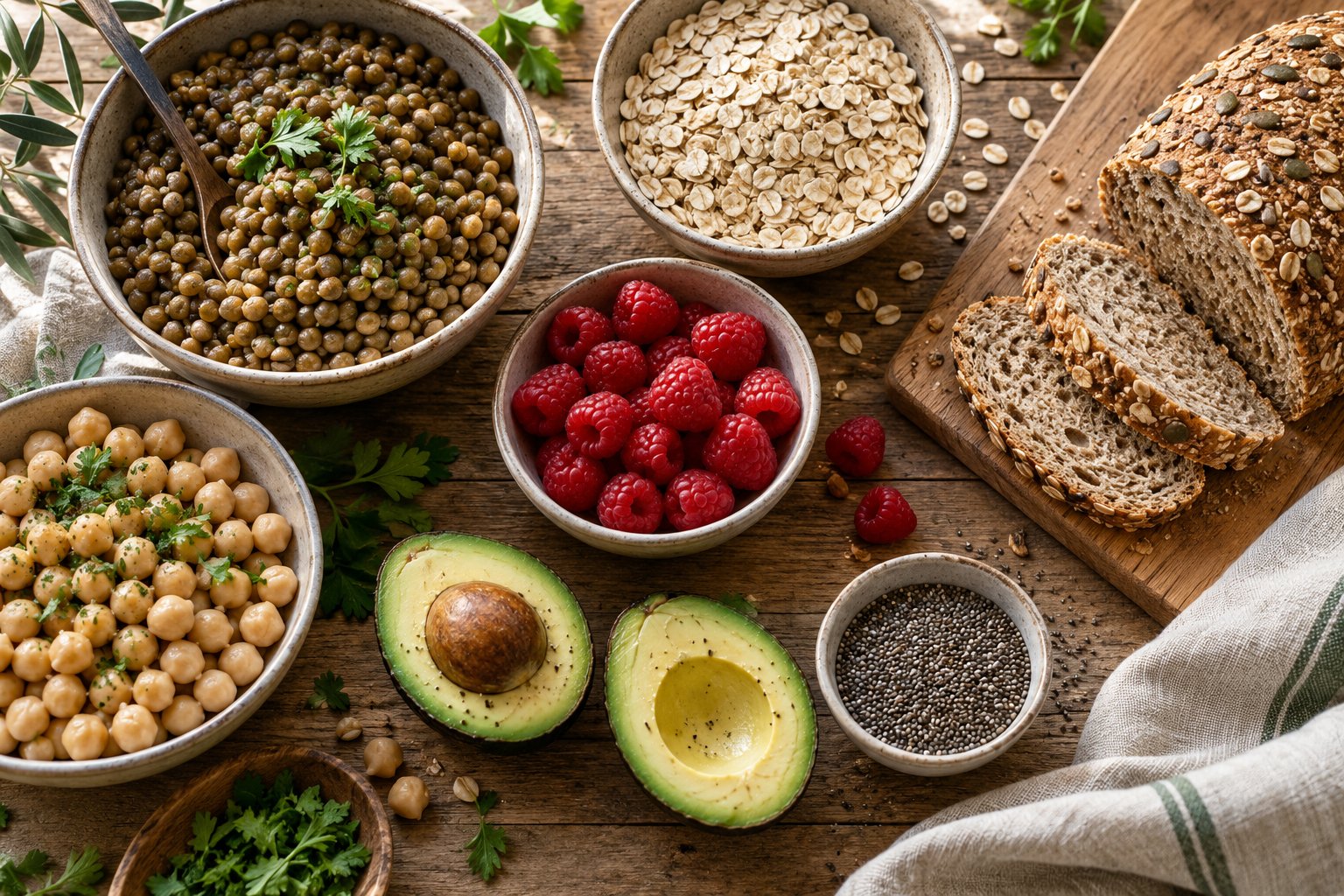
Fibre: why it matters, how much you need and how to eat more
A plain guide to fibre: what it does, how much fibre you need a day according to the NHS and EFSA, and simple ways to eat more without upsetting your stomach.
-
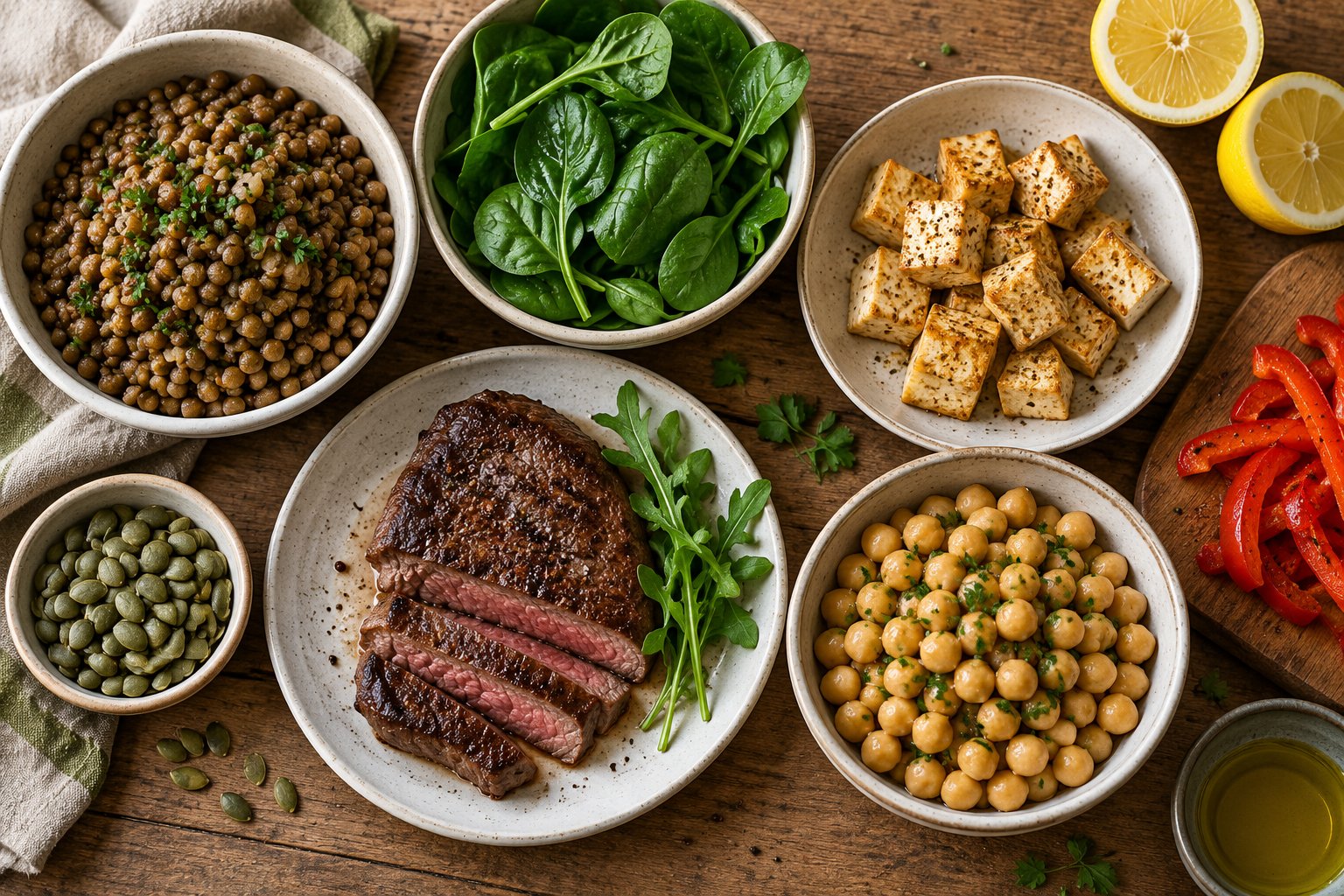
Iron-rich foods and how to absorb more of the iron you eat
A plain guide to iron-rich foods for meat eaters and vegetarians, how much iron adults need according to the NHS and NIH, and simple ways to absorb more of it.
-
Vitamin D in winter: why levels drop and what to eat
Why vitamin D levels drop in winter, which foods contain the most, and what the NHS says about taking a vitamin D supplement from October to March.