Wellness Origin Hub
Matcha or coffee? What the caffeine actually does
Both wake you up. Why matcha feels calmer, how much caffeine is really in each cup, and which suits your day.
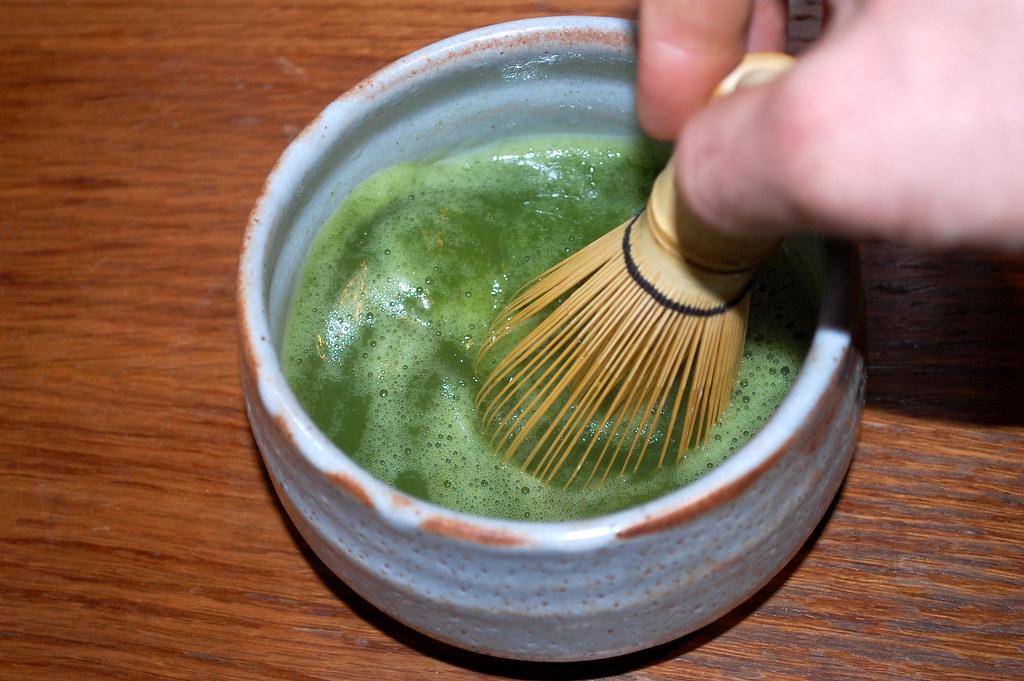
Matcha drinkers often describe a calmer, longer lift than coffee gives them. There is a real reason for that, and it is not that matcha has no caffeine.
How much caffeine is in each
A typical cup of brewed coffee has roughly 80 to 100 mg of caffeine. A cup of matcha made with one teaspoon of powder (about 2 g) has roughly 60 to 70 mg, though it varies a lot with grade and how much powder you use.
| Drink | Typical serving | Caffeine, roughly |
|---|---|---|
| Brewed coffee | 240 ml | 80–100 mg |
| Espresso | 30 ml | 60–65 mg |
| Matcha | 2 g powder | 60–70 mg |
| Green tea, bagged | 240 ml | 25–45 mg |
Why matcha feels different
Matcha contains L-theanine, an amino acid found in tea leaves. Research suggests L-theanine together with caffeine can support focus while taking the edge off jitteriness. Because you drink the whole ground leaf, matcha delivers more of it than steeped green tea.
Coffee is a sprint, matcha is a walk at a good pace.
Which one to choose
- For a fast start before exercise or a deadline: coffee.
- For a long stretch of focused work: matcha.
- If caffeine makes you anxious: try matcha, or a half-strength cup of either.
- In the afternoon: either, but keep it at least six hours before bed.
Photograph: Steenbergs, CC BY 2.0