Wellness Origin Hub
How to recover after a workout: sleep, food, movement and rest
How to recover after a workout without gadgets: the four things that matter most, which are sleep, food, easy movement and well-placed rest days, plus a simple cool-down.
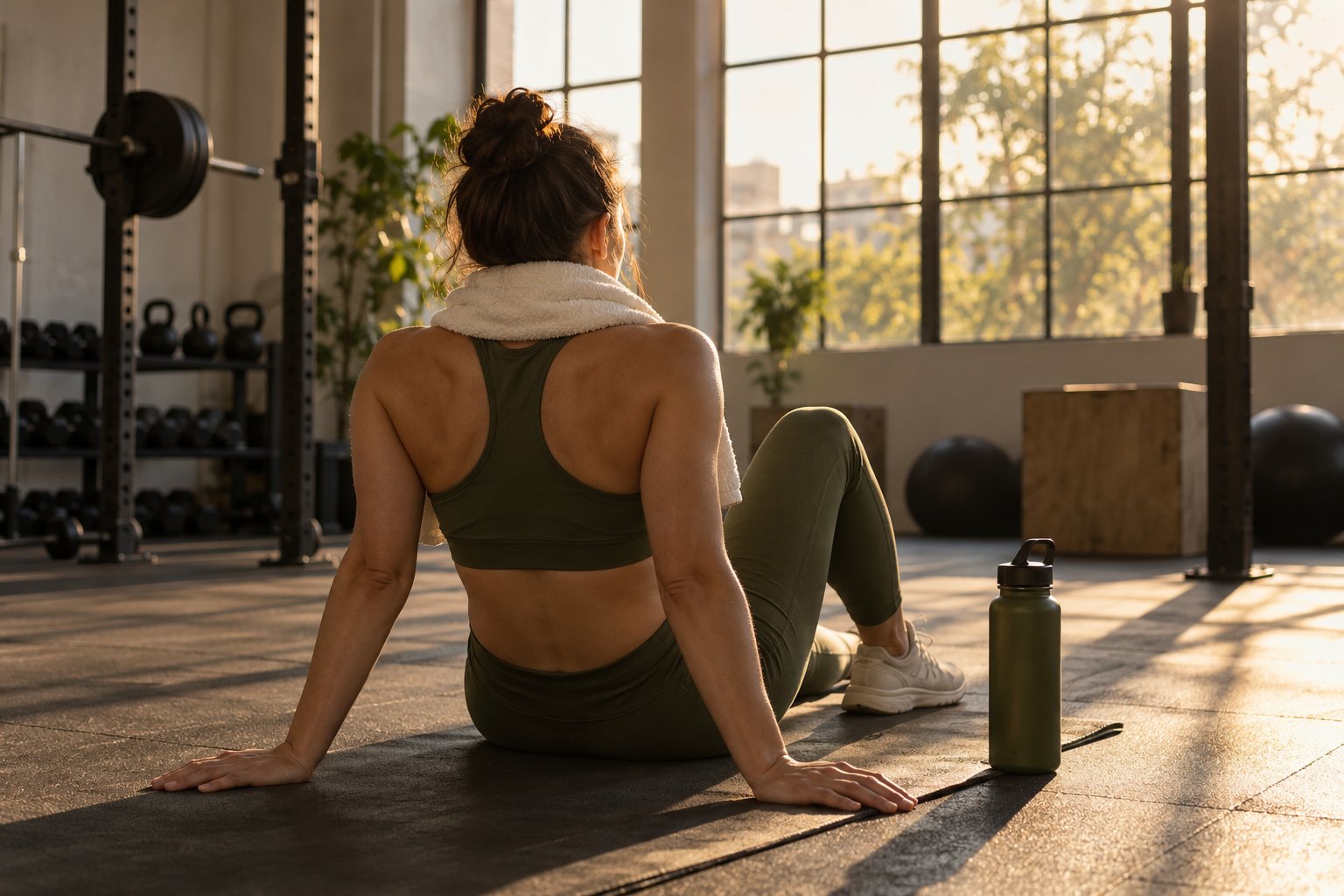
Recovering after a workout mostly comes down to four ordinary things: enough sleep, a proper meal with protein and carbohydrate, some gentle movement on the days after, and rest days placed between hard sessions. Training is the signal to get fitter; recovery is when the body actually adapts. Ice baths, supplements and gadgets are, at most, small extras on top of those basics.
The four things that matter most
| Area | What helps | Rough guide |
|---|---|---|
| Sleep | Regular, sufficient sleep | 7–9 hours for most adults |
| Food | A meal with protein and carbohydrate | Within a few hours of training |
| Fluids | Drinking to thirst, more in heat | Pale yellow urine is a good sign |
| Movement and rest | Easy days and rest days between hard ones | At least one full rest day a week |
1. Sleep
Sleep is when much of the repair work happens, and short sleep tends to make training feel harder and soreness last longer. The NHS suggests most adults need around seven to nine hours a night.
- Keep bedtime and waking time similar every day, weekends included.
- Avoid hard training late in the evening if it leaves you wired.
- Make the room dark, cool and quiet; our guide to setting up a bedroom for better sleep has the details.
A short nap of 10 to 20 minutes can help on days after poor sleep. See how to nap well for timing.
2. Food and drink
After a session, a normal meal with some protein and some carbohydrate is all most people need. Protein supplies the building blocks for muscle repair; carbohydrate refills the energy stored in muscles.
Good everyday options:
- Eggs on wholegrain toast with fruit
- Greek yoghurt with oats and berries
- Rice or potatoes with fish, chicken, tofu or beans and vegetables
- A glass of milk or a fortified soya drink and a banana if the next meal is hours away
Spreading protein across the day seems to help more than one large serving. If you are unsure how much protein you need, ask a doctor or dietitian rather than following supplement labels.
For fluids, drink to thirst and a little more after sweaty sessions. Water is enough for most workouts under an hour; long sessions in heat are where electrolytes become useful.
3. Easy movement
Gentle movement the day after training, often called active recovery, tends to ease stiffness more than lying still. Keep it light enough that you could chat throughout.
- A 20–30 minute walk
- An easy bike ride or swim
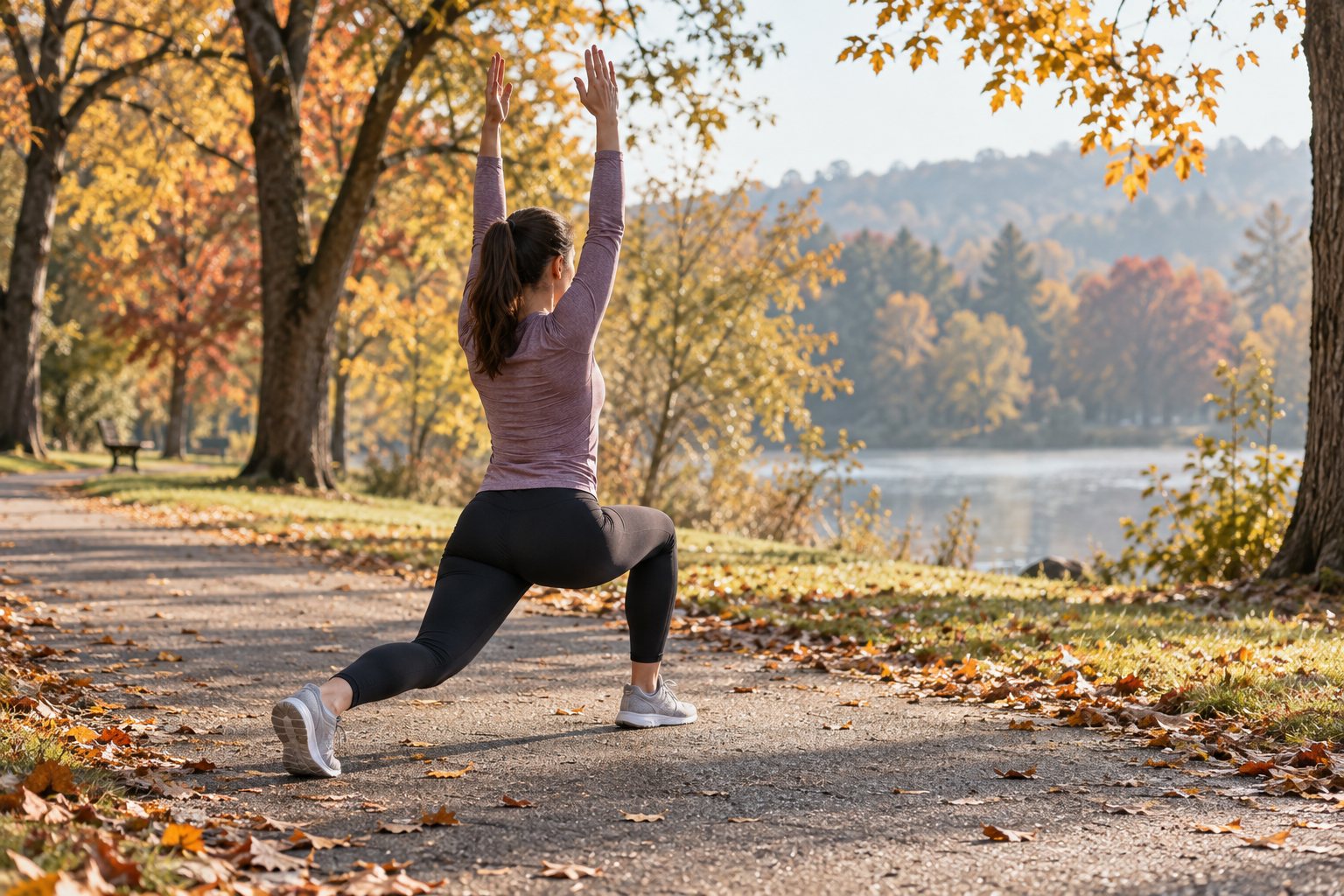
- Ten minutes of mobility work, such as gentle hip circles, lunges and cat-cow stretches
A foam roller can make muscles feel looser for a while. Research on whether it speeds up recovery is mixed, so use it if you like it.
4. Rest days
Rest days are part of the plan, not a break from it. A simple structure:
- Leave at least a day between strength sessions for the same muscles.
- Follow a hard session with an easy day.
- Take at least one day a week with no planned training.
- Every six to eight weeks, have an easier week with less volume.
A five-minute cool-down
Straight after training, slow down rather than stopping dead.
- Walk or march slowly: 2 minutes, until your breathing settles.
- Standing quad stretch: 30 seconds each leg. Hold your ankle behind you, knees together. Easier: hold a wall for balance. Harder: no support.
- Hamstring stretch: 30 seconds each leg. Heel on a low step, hinge forward with a long back. Easier: smaller hinge. Harder: reach further.
- Chest stretch: 30 seconds each side. Forearm on a door frame, turn the body gently away.
- Slow breathing: 1 minute, breathing out longer than you breathe in.
Signs you need more recovery
- Soreness that has not eased after three or four days
- Resting heart rate noticeably higher than usual for several mornings
- Poor sleep, low mood or loss of appetite
- Performance going backwards despite training
- Frequent colds or niggles
Mild soreness one or two days after a new or harder workout is normal and usually fades on its own. Sharp, joint or one-sided pain is different and needs checking.
Questions people ask
Should I train when I am sore?
Light movement is fine and often helps. Train a different muscle group or do easy cardio, and leave the sore muscles a day or two.
Do ice baths help?
They may reduce soreness for some people, but some research suggests regular cold baths straight after strength training could blunt muscle gains. For most people they are optional.
How many rest days do beginners need?
Two or three days a week without hard training suits most beginners. Leave a day between strength sessions and keep the rest easy.
Photograph: AI-generated image