Wellness Origin Hub
Why time in nature helps, and how to get two hours a week
Time in nature is linked with better wellbeing, and around two hours a week seems to be a useful amount. Here is how to fit it in, even if you live in a city.
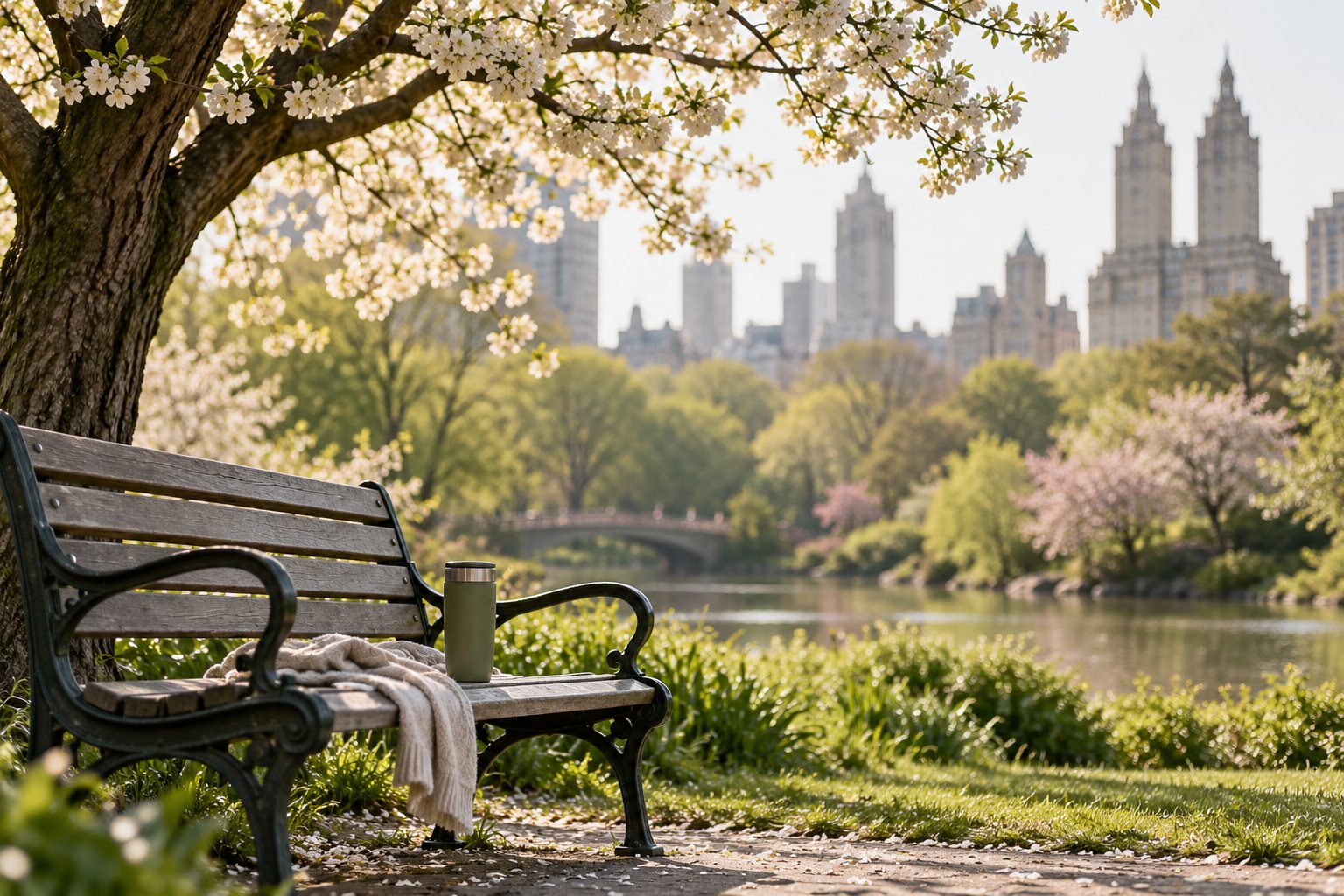
Spending time in nature is linked with lower stress and better wellbeing, and research suggests the benefit shows up at around two hours a week in total. That can be spread however you like: a twenty-minute park walk most days counts just as well as one long weekend hike. You do not need wilderness either. City parks, canals, tree-lined streets and even a garden all seem to help.
What the research suggests
A large study led by the University of Exeter, using survey data from around 20,000 people in England, found that people who spent at least 120 minutes a week in natural spaces were more likely to report good health and high wellbeing than those who spent none. Below about two hours, the link was much weaker. It did not seem to matter how the time was split.
Other studies suggest that time in green spaces may lower feelings of stress and help attention recover after mental effort. Most of this research shows associations rather than proof of cause, and people who are already healthy may simply go outside more. Still, the cost is low and the likely upside is real.
Some of the benefit probably comes from what tends to go with time outdoors: walking, daylight, fresh air, a break from screens and often other people.
What counts as nature
| Place | Counts? | Notes |
|---|---|---|
| A city park | Yes | The most practical option for most people |
| A canal or river path | Yes | Water seems to be especially restful for many |
| A tree-lined street | Partly | Better than a busy road; aim for greener routes |
| Your garden or balcony | Yes | Even pottering with pots helps |
| Woods, hills, coast | Yes | Ideal, but not required |
| A nature documentary | No | Pleasant, but not the same |
How to get two hours a week in a city
Two hours sounds a lot, but broken down it is about seventeen minutes a day.
1. Change your route
Walk part of your commute through a park, or get off the bus a stop early and take the greener street. Small detours add up quickly over a week.
2. Take lunch outside
Eat on a bench in the nearest green space two or three times a week. Twenty minutes, phone in your pocket.
3. Make a weekend habit
Pick one longer outing each weekend: a walk in a bigger park, along a river or to a nearby wood. An hour on Saturday gets you halfway.
4. Move outdoors
Do your exercise outside when you can. A walk, an easy run or a bike ride in the park counts twice: as movement and as time in nature. Our beginner walking plan and zone 2 cardio guide both work well outdoors.
5. Bring nature closer
Plants on the windowsill, a window box of herbs or a bird feeder will not replace time outside, but they make the everyday view greener.
Get more from the time
- Leave the phone in your pocket. Notice what is around you: trees, birds, the sky. A digital detox weekend is a good way to practise.
- Go in the morning. Morning light helps set the body clock, as covered in our simple morning routine.
- Go with someone. A walk with a friend combines two good habits at once.
- Sit still for five minutes. Not every visit has to be exercise. A few minutes on a bench watching the trees is enough.
In bad weather
- Wear proper layers and a waterproof; many people find a rainy walk more refreshing than they expect.
- Choose a shorter, closer route rather than skipping it.
- In winter, aim for the middle of the day when light is strongest.
A sample week
| Day | What | Time |
|---|---|---|
| Monday | Lunch on a park bench | 20 minutes |
| Tuesday | Walk home through the park | 15 minutes |
| Wednesday | Lunch outside | 20 minutes |
| Thursday | Morning walk before work | 15 minutes |
| Saturday | Longer walk by the river | 60 minutes |
| Total | 2 hours 10 minutes |
Questions people ask
Does it count if I am exercising?
Yes. Time in green space counts whatever you are doing there, whether walking, running, gardening or sitting.
What if I have no green space nearby?
Look for the greenest option within reach: a churchyard, a canal path, a quiet street with trees. On days off, a bus or train to a larger park is worth it.
Is it the same for children?
Outdoor play is widely encouraged for children's activity and wellbeing. Many of the same tips apply: walk to school through a park, and make weekend outings outside.
Photograph: AI-generated image