Wellness Origin Hub
Cold showers, what the evidence actually says
Cold showers are promised to boost immunity, mood and metabolism. What the research shows, what it does not, and how to try one safely.
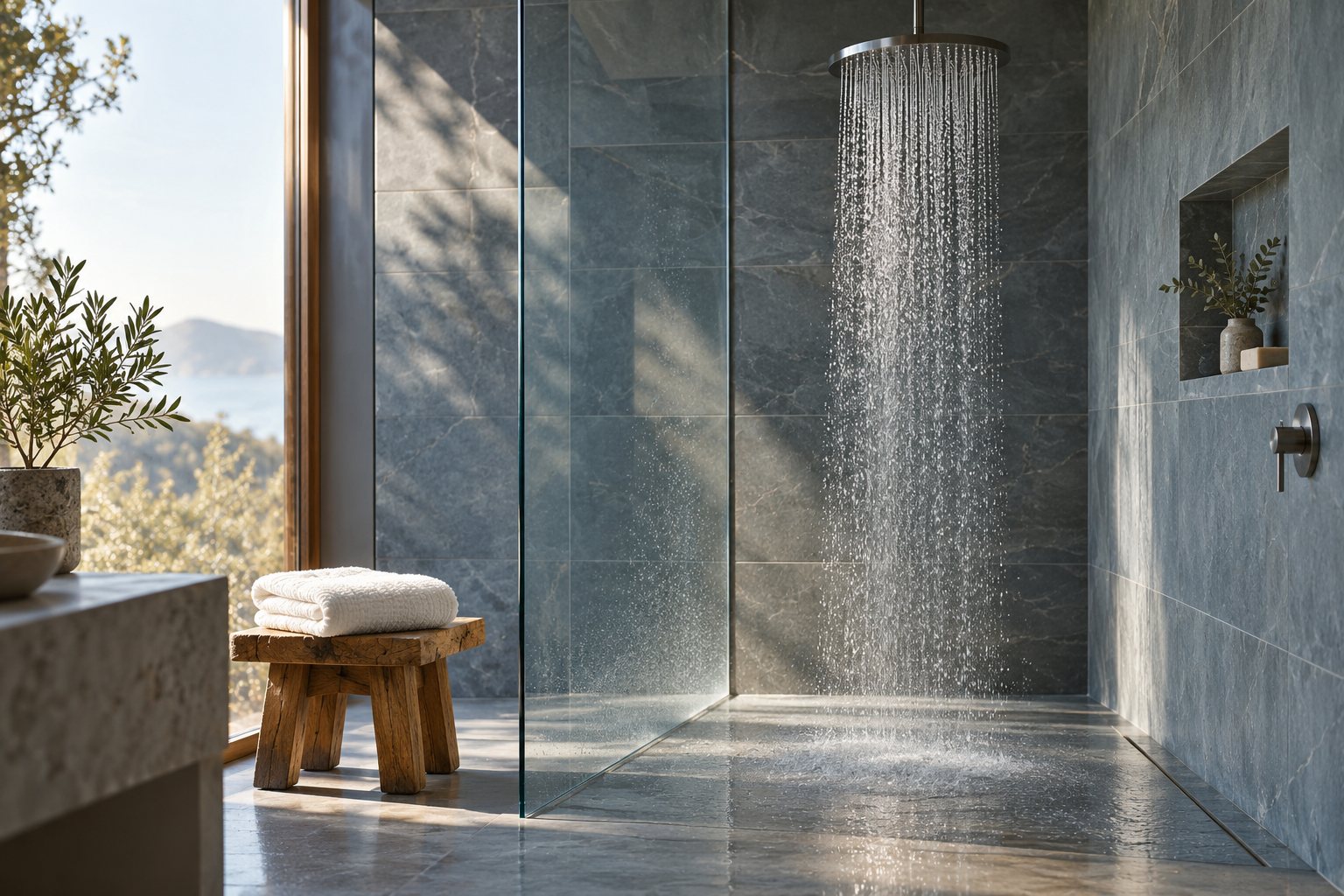
A cold shower will not transform your health, but it is a cheap habit that some people find genuinely energising. The best study so far found that people who ended their shower with 30 to 90 seconds of cold water took fewer sick days, though they did not get ill less often. Claims about weight loss and immunity go well beyond the evidence. If you enjoy it and have no heart problems, there is little harm in trying.
What happens in your body
Cold water on the skin sets off the cold shock response: a gasp, faster breathing, a quick rise in heart rate and blood pressure, and a surge of adrenaline and noradrenaline. That surge is why people feel alert afterwards. With regular exposure, the shock becomes smaller, which is one reason the first few showers feel worst.
What the research shows
| Claim | What the evidence says |
|---|---|
| Fewer sick days | One large Dutch trial (about 3,000 people, 2016) found 29% fewer sickness absences in those taking cold-ending showers. The number of days they felt ill did not change. |
| Better mood and energy | People often report feeling more alert. Studies are small and short, and it is hard to blind people to a cold shower. |
| Weight loss | Cold can activate brown fat, which burns energy for heat, but the effect from a short shower is small. It is no substitute for diet and activity. |
| Faster muscle recovery | Studies mostly look at ice baths, not showers, and results are mixed. Cold right after strength training may blunt some muscle gains. |
In short: the strongest finding is about how people feel and function, not about measurable changes in immunity. Our guide to workout recovery covers what helps more after training.
How to try it
- Take your normal warm shower.
- At the end, turn the water to cool, not icy, for 15 to 30 seconds.
- Breathe slowly through the gasp; a long exhale helps. The breathing exercises we use for stress work here too.
- Over a few weeks, lower the temperature or stretch it to 60 to 90 seconds if you like it.
- Warm up afterwards with a towel and dry clothes.
Who should be careful
The cold shock response briefly strains the heart. People with heart disease, high blood pressure, heart rhythm problems or Raynaud's should talk to a doctor first. Never start cold-water swimming alone; the gasp reflex in open water is a real drowning risk, unlike a shower.
A morning or evening habit?
Most people prefer cold water in the morning, when the alertness is welcome. In the evening it can make it harder to wind down; a warm shower an hour or two before bed suits sleep better, as we explain in our evening wind-down routine. If you want to fold it into a routine, it pairs well with a simple morning routine.
Photograph: AI-generated image