Wellness Origin Hub
Zone 2 cardio explained: how to find your pace and how much to do
Zone 2 cardio is steady, easy exercise you can hold a conversation through. Here is how to find your zone 2 pace without a lab test, and how much to do each week.
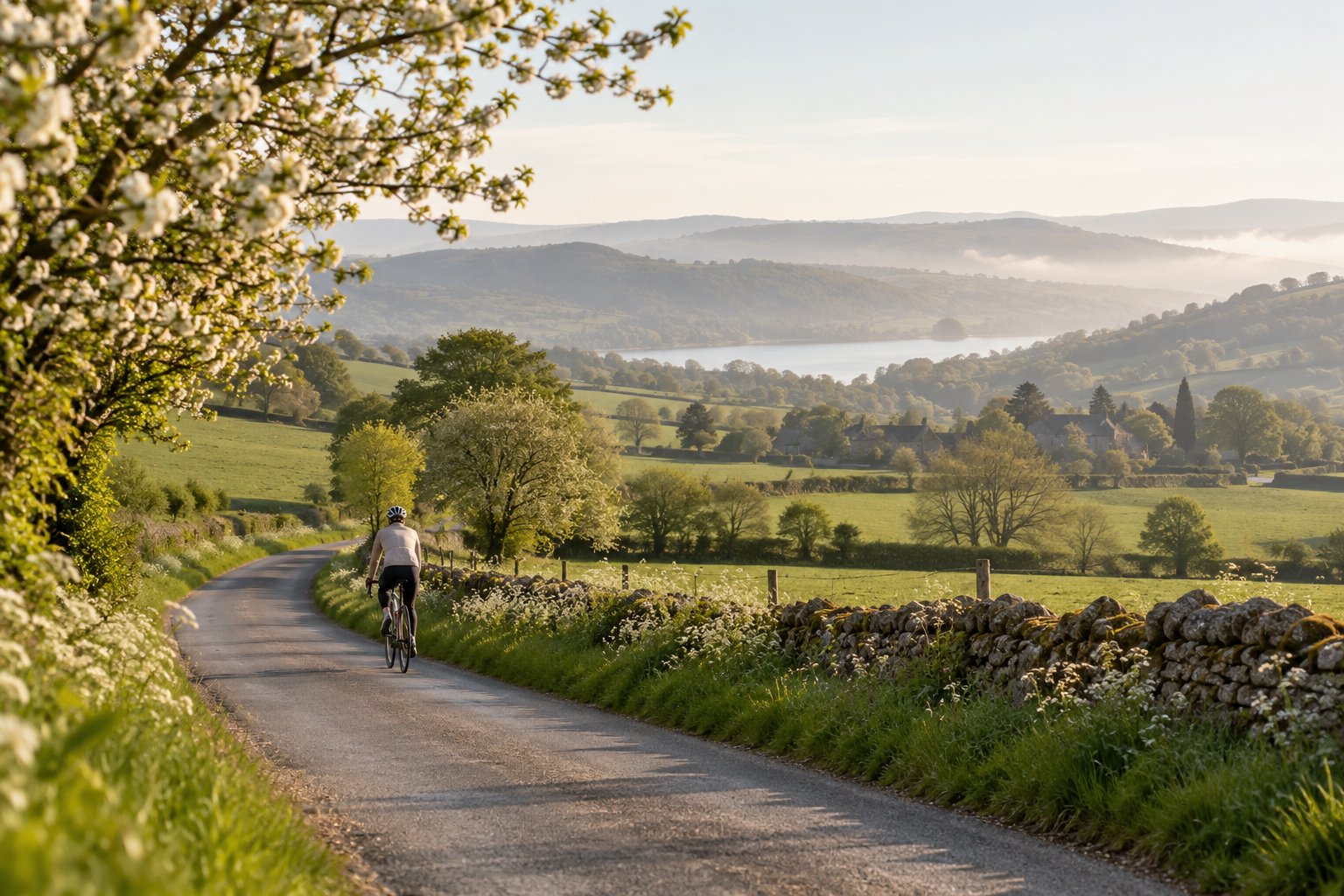
Zone 2 cardio is steady exercise at an easy, conversational effort: you are breathing more than at rest, but you could still talk in full sentences. It is the pace of a brisk walk uphill, an easy jog or a relaxed bike ride. Research on endurance training suggests that plenty of time at this level builds aerobic fitness while being gentle enough to recover from quickly, which is why it has become popular well beyond elite sport.
You do not need a lab test or a heart rate monitor to do it. The simplest guide is the talk test.
What the "zones" are
Heart rate zones split effort into bands, usually five, from very easy to flat out. Different systems draw the lines slightly differently, but zone 2 is generally the second-easiest band.
| Zone | Feels like | Talk test | Rough % of max heart rate |
|---|---|---|---|
| 1 | Very easy, warm-up | Chat easily | 50–60% |
| 2 | Easy but purposeful | Full sentences, slightly breathy | 60–70% |
| 3 | Moderately hard | A few words at a time | 70–80% |
| 4 | Hard | Short phrases only | 80–90% |
| 5 | Very hard | Cannot talk | 90–100% |
The percentages are rough. Formulas such as 220 minus your age only estimate maximum heart rate, and real values vary a lot between people, so treat any number as a starting point.
How to find your zone 2 pace
The talk test
- Start your walk, ride or jog at an easy pace.
- After ten minutes, try saying a couple of full sentences out loud.
- If you can talk comfortably but would rather not sing, you are about right. If you have to stop mid-sentence to breathe, slow down. If you could sing, speed up a little.
Nose breathing
A second check: if you can breathe in and out through your nose without strain, you are probably at or below zone 2.
With a heart rate monitor
If you use a chest strap or fitness tracker, aim for roughly 60–70% of your estimated maximum and check it against the talk test. When the two disagree, trust how you feel; wrist readings can wander during exercise.
How much to do
The NHS and the World Health Organization recommend that adults get at least 150 minutes of moderate activity a week, or 75 minutes of vigorous activity. Zone 2 work counts towards the moderate total.
A simple way to build up:
- Weeks 1–2: three sessions of 20–30 minutes.
- Weeks 3–6: three or four sessions of 30–45 minutes.
- After that: most of your weekly cardio at zone 2, with one shorter, harder session if you enjoy it.
Many endurance coaches use a rough 80/20 split: about four-fifths of training time easy, one-fifth harder. For general health, there is no need to be precise about it.
Good ways to do zone 2
- Brisk walking, especially with hills. Our beginner walking plan is an easy route in.
- Easy cycling, outdoors or on a static bike.
- Slow jogging or run-walk. If you are new to running, start with the run-walk plan.
- Swimming, rowing or a cross-trainer, if your joints prefer low impact.
Pick something you can keep going for half an hour without stopping. Long, steady and repeatable is the point.
Common mistakes
- Going too hard. Most people drift into zone 3 because it feels more like exercise. Slow down until talking is easy.
- Only doing zone 2. Strength work still matters. Add two sessions a week, such as our strength training plan for beginners.
- Checking the watch every minute. Settle into the effort and check occasionally.
Questions people ask
Does zone 2 burn more fat?
At easy efforts the body uses a higher share of fat for fuel, but total weight change depends on overall energy balance over weeks, not the fuel mix of one session. Choose zone 2 because it is sustainable, not as a fat-loss trick.
Is walking enough to count as zone 2?
For many beginners, yes. A brisk walk, particularly uphill, often reaches it. As fitness improves you may need to walk faster or add hills.
Can I do zone 2 every day?
Many people can, because the effort is easy. Take a rest day when you feel unusually tired.
Photograph: AI-generated image