Wellness Origin Hub
How to beat the afternoon slump without another coffee
How to beat the afternoon slump without more caffeine: a short walk in daylight, a balanced lunch, water, a quick nap or stretch, and an easier task at 3 pm.
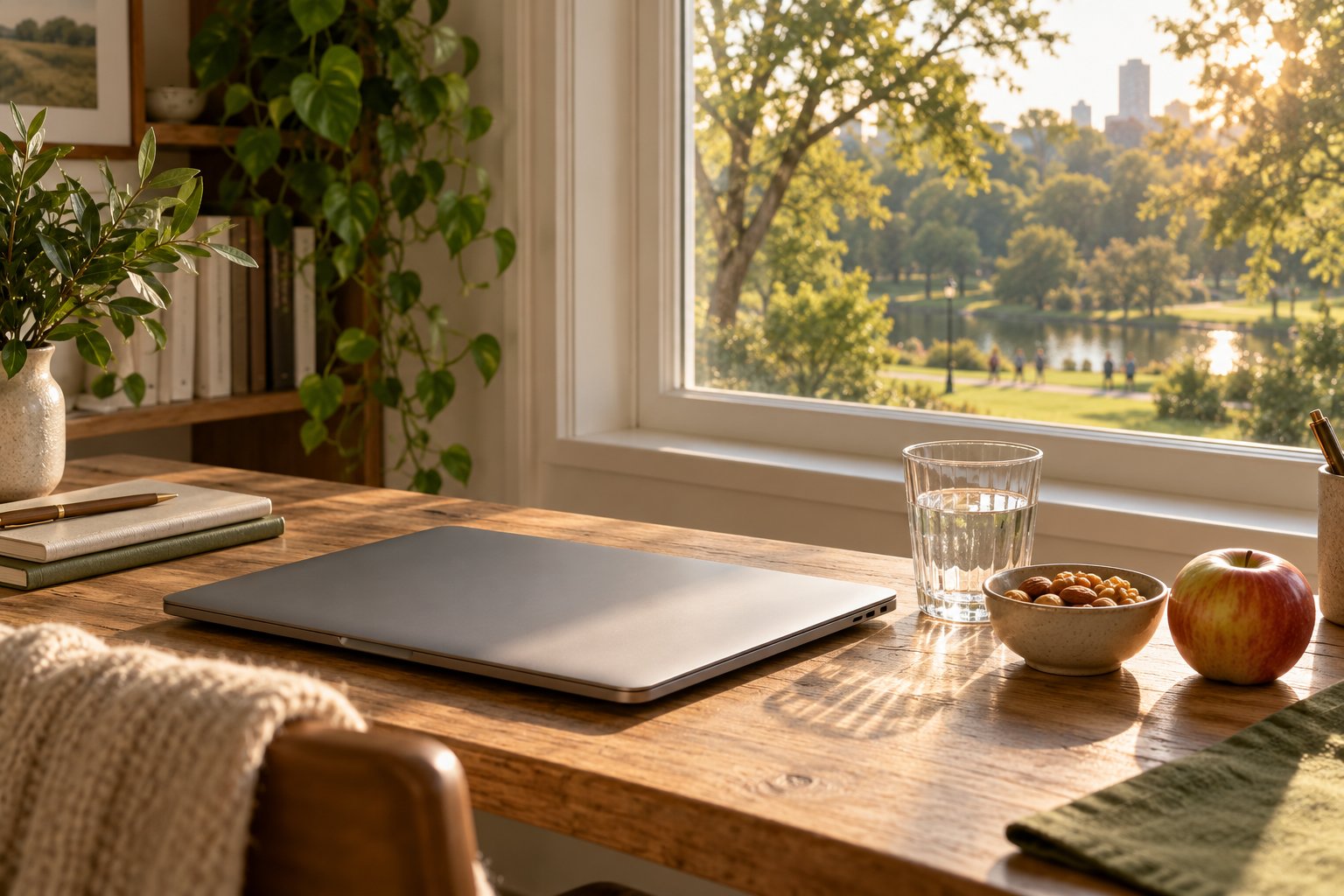
The afternoon slump is partly built in: the body clock produces a natural dip in alertness in the early afternoon, usually somewhere between 1 and 4 pm. A heavy lunch, short sleep and hours of sitting make it deeper. The best fixes are simple: ten minutes of walking outside, a lunch with protein and fibre, a glass of water, and saving easier work for the low point. Another coffee helps for an hour, but late caffeine can make the night's sleep worse and tomorrow's slump bigger.
Why the slump happens
- The body clock. Alertness follows a daily rhythm with a small dip after midday, whether or not you have eaten.
- Short or poor sleep. The less you slept, the more pronounced the dip feels.
- Lunch. A large meal heavy in refined carbohydrate may leave some people feeling sleepier than a balanced one.
- Sitting still. Hours in the same position, often in a warm room, add to the drowsiness.
- Thirst. Mild dehydration may make you feel tired and less focused.
Quick fixes at a glance
| Fix | Time | Why it may help |
|---|---|---|
| Walk outside | 10 minutes | Movement and daylight both raise alertness |
| Glass of water | 1 minute | Rules out thirst as a cause |
| Stretch break | 3–5 minutes | Gets blood moving after sitting |
| Short nap | 10–20 minutes | Brief sleep can restore alertness |
| Switch tasks | Any | Easier work suits the low point |
| Slow breathing | 2 minutes | Calms and refocuses |
1. Walk outside
A brisk ten-minute walk is one of the most reliable pick-me-ups. Movement raises heart rate and alertness, and daylight is far brighter than office lighting, which helps keep you awake. Walk to a shop, around the block, or take a phone call on foot.
If you work from home, a walk after lunch also marks the break between the morning and the afternoon. If a park is close, walk through it.
2. Rethink lunch
Build lunch around protein, fibre and vegetables, with a moderate portion of carbohydrate, preferably wholegrain.
- A grain bowl with beans or chicken, roasted vegetables and a dressing
- Wholemeal wraps with hummus, egg and salad
- Lentil soup with a slice of rye bread
- Leftovers from last night, which are often the most balanced option
Eating very large portions at lunch may make the dip feel bigger. If dinner is late, a small afternoon snack such as fruit with a handful of nuts, or yoghurt, is better than a biscuit tin raid at five.
3. Drink water
Keep a glass or bottle on the desk and drink when you notice the slump. It will not cure tiredness from short sleep, but thirst can feel like fatigue.
4. Move at your desk
If you cannot go outside, stand up and move for three to five minutes.
- Stand and reach both arms overhead, then fold forward gently.
- Roll the shoulders back ten times.
- March on the spot for a minute.
- Do ten slow squats or sit-to-stands from your chair.
Our ten-minute stretches for desk workers is a fuller version.
5. Take a short nap, if you can
A nap of 10 to 20 minutes in the early afternoon can restore alertness without leaving you groggy. Longer naps risk waking from deep sleep and may affect night-time sleep. Our guide on how to nap well covers timing and the coffee nap.
6. Work with the dip, not against it
Meetings where you stand or walk, tidying your desk, or a quick conversation with a colleague all suit the slump better than writing a report.
7. Go easy on afternoon caffeine
Caffeine stays in the body for hours, and a cup in mid-afternoon can still be partly active at bedtime. That can shorten or lighten sleep, which makes the next afternoon worse. If you want a warm drink, try decaf, a herbal tea or a small cup earlier in the day. Our guide to how much caffeine is too much has more on timing.
Fix the night before
The deepest slumps usually follow short nights. Regular sleep and wake times, a dark and cool bedroom and a calm last hour before bed do more for the afternoon than any trick at 3 pm. See our evening wind-down routine.
Questions people ask
Is it normal to feel sleepy after lunch?
Yes, a mild dip in the early afternoon is normal for most people, and many cultures plan around it with a rest.
Why am I more tired after some lunches than others?
Larger meals and those heavy in refined carbohydrate seem to make some people sleepier. Try a lighter, more balanced lunch for a week and see if it changes.
Do energy drinks help?
They give a short boost from caffeine and often sugar, but many are high in both. A walk and water do more without the effect on sleep.
Photograph: AI-generated image